

Trade and tariff lobbying is the practice of engaging with federal policymakers to influence the design, implementation, or repeal of trade-related legislation. Tariffs are taxes on imported goods, paid by U.S. importers at entry, that can raise costs for businesses and consumers and alter competitive dynamics.
Because tariff decisions are often made quickly and with wide executive discretion, businesses and trade associations often turn to professional lobbyists to help secure exemptions, shape legislation, and ensure their voices are heard in Washington. At its core, trade and tariff lobbying helps organizations protect their bottom line while also shaping future trade policy.
Lobbyit provides the expertise and access organizations need to shape legislation and stay ahead of shifting trade policies.
The Role of Lobbying in Tariff Policy
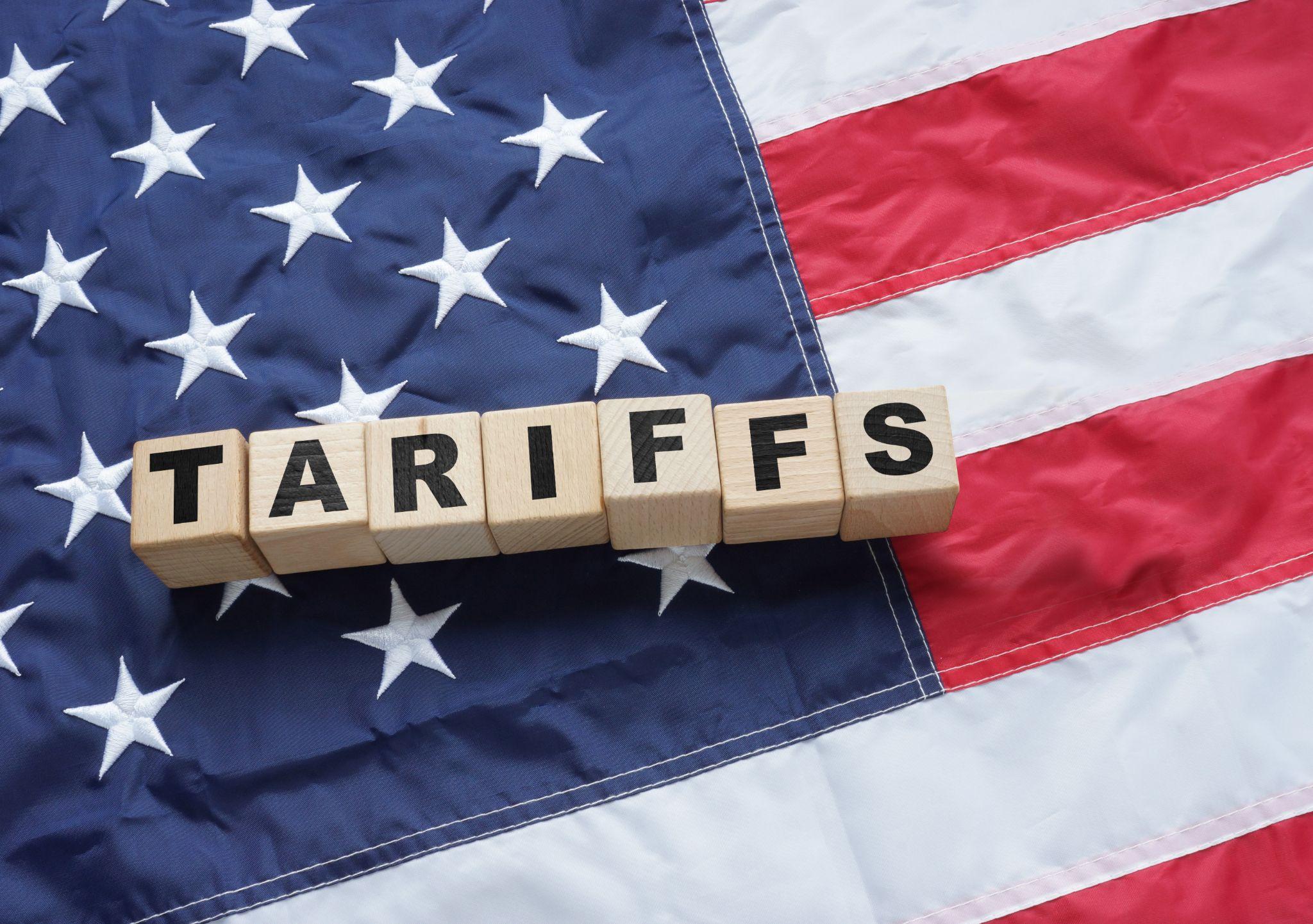
Tariff policies are not static—they can expand overnight and affect thousands of products at once. For example, recent reciprocal tariffs imposed across dozens of trading partners in 2025 disrupted everything from steel to semiconductors.
Lobbyists help clients manage this uncertainty by monitoring new rules, drafting comments for exclusion requests, and engaging with congressional offices that oversee trade, among other activities. Research shows that lobbying can improve the odds of winning tariff relief, but success often depends on timing and a strong case for economic harm. Without proper representation, many small and mid-size businesses are left behind.
Industries Most Active in Tariff Lobbying

Some sectors face greater exposure to tariffs than others, which drives them to invest heavily in lobbying.
- Manufacturing companies push for relief on imported inputs like industrial chemicals and heavy machinery.
- Energy firms lobby for exclusions on equipment and downstream products, even when core commodities like crude oil are exempt.
- Agriculture groups seek to protect access to affordable fertilizer and equipment while preserving overseas markets for U.S. exports.
- Retail and consumer goods importers—such as apparel and pet products—fight to keep costs from cascading to U.S. households.
- Technology and advanced industries press for relief on semiconductors, precision optics, batteries, and rare-earth magnets, where tariffs can derail innovation and global market access.
- Climate-linked industries such as steel and cement face new lobbying challenges as carbon border adjustments and import-side pollution fees enter the legislative landscape.
These examples show how tariff lobbying extends across the economy, shaping not only immediate costs but also long-term competitiveness.
How Companies Can Influence Tariff Outcomes

When tariffs threaten operations, companies have several avenues for influence.
One approach is filing formal petitions or comments in agency exclusion processes. These require detailed data showing how tariffs harm U.S. businesses or consumers. Another is coalition building—joining industry associations that amplify collective concerns.
Engagement on Capitol Hill is equally important. Legislation like the Trade Review Act and Foreign Pollution Fee Act demonstrates how Congress is reclaiming a role in tariff policy. Companies that provide lawmakers with credible impact data help shape these bills before they become law.
Finally, businesses can work with advocates to frame their positions around compliance, supply chain disruption, or even climate competitiveness—ensuring policymakers understand the full scope of impact.
How Lobbyit Helps Clients
Juggling tariff relief and trade legislation requires experience and direct access to federal decision-makers. That’s where professional lobbying support makes the difference.
Lobbyit provides:
- Legislative advocacy – Drafting proposals, meeting with congressional offices, and tracking bills that influence trade and tariff
- Regulatory advocacy – Guiding clients through complex federal exclusion processes and filing persuasive submissions with agencies.
- Funding and grants support – Helping industries offset relevant costs by securing federal resources for domestic production or innovation.
- Tiered pricing options – Scaling services to meet the needs of small nonprofits, mid-size businesses, and large corporations alike.
By partnering with experienced advocates, clients ensure their perspectives reach the right policymakers—and that their voices are not drowned out by larger competitors.
Shaping the Future of Trade Policy

The landscape of tariffs and trade legislation is rapidly evolving. Climate-focused tariffs like the EU’s Carbon Border Adjustment Mechanism and U.S. proposals such as the Foreign Pollution Fee Act are reshaping how competitiveness is measured. At the same time, oversight bills like the Trade Review Act are opening new channels for congressional involvement.
Tariffs are no longer short-term tools. They may even become permanent features of the global trading system, and businesses that fail to engage with this trend risk being left behind. For organizations directly affected by these measures, lobbying is a necessity for ensuring fair treatment and shaping future policy frameworks.
Partner With Lobbyit

If tariffs and trade legislation are creating challenges for your organization, professional advocacy can make the difference. From accessing federal exclusion programs to influencing congressional debates, we help clients secure relief and shape policies that impact their industries.
Contact us today to learn more about the ways our team can support your lobbying needs.