

Transportation & Infrastructure Lobbyist in Washington DC

Washington DC Transportation & Infrastructure Lobbying Firm

Transportation and infrastructure policy have a wide-ranging impact on society, heavily influencing the decisions of cities, counties, private companies, and numerous other organizations.

Our team has worked with cities such as Plano, TX to resolve problems with federal regulatory agencies and raise awareness of and support for their transportation needs, including securing additional infrastructure funding. We also have experience building relationships for employee organizations, like AMFA, which represents airplane mechanics. Additionally, Lobbyit has partnered with sustainable transportation organizations like the Association of Pedestrian and Bicycle Professionals to move their policy goals forward.

Whether you are a local municipality looking for more funding or an organization seeking to drive a conversation in Washington, Lobbyit is well-suited to serve your needs.
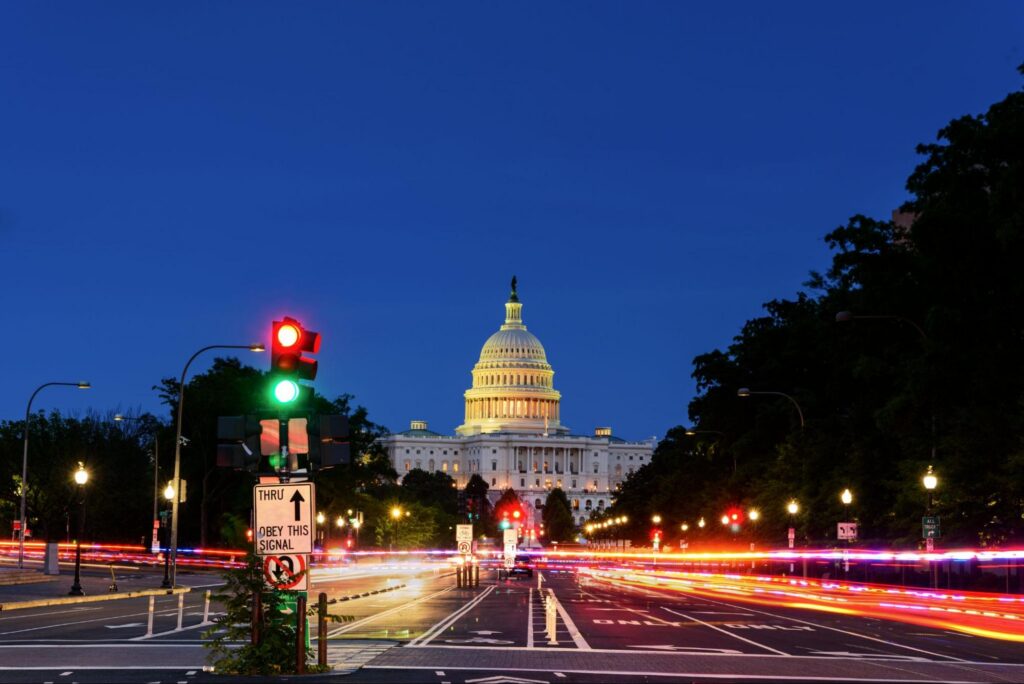
Capitol Building from Pennsylvania Avenue, Long exposure, Washington DC.
Washington, D.C. skyline with highways.

How Transportation Lobbying Impacts Infrastructure Development

Transportation lobbying plays a critical role in shaping policies, regulations, and funding decisions that influence infrastructure projects throughout the country. In 2024, the U.S. transportation sector spent approximately $305.1 million on lobbying activities, with air transport constituting the largest expenditure at $134.2 million. 

Federal investments made through appropriations legislation, discretionary grant programs, and infrastructure initiatives directly affect roads, bridges, airports, rail systems, freight corridors, ports, and public transit modernization efforts. 

Infrastructure advocacy also helps organizations navigate increasingly complex regulatory environments. Federal agencies, including the Federal Highway Administration (FHWA), Federal Transit Administration (FTA), Federal Railroad Administration (FRA), and Federal Aviation Administration (FAA), influence major transportation decisions affecting both public and private stakeholders.

One major area of advocacy involves securing competitive infrastructure funding opportunities. Organizations frequently engage federal policymakers to strengthen positioning for grant programs supporting transportation modernization, freight mobility improvements, broadband expansion tied to infrastructure development, climate resiliency initiatives, and emerging transportation technologies.

Transportation advocacy also supports workforce development efforts, supply chain improvements, regulatory modernization initiatives, and long-term planning strategies that strengthen national connectivity while supporting economic growth.

Organizations We Represent

Transportation lobbyists in Washington DC require a sophisticated understanding of federal infrastructure funding mechanisms, regulatory frameworks, appropriations processes, and evolving policy priorities. Lobbyit supports organizations operating throughout the transportation ecosystem, helping clients strengthen their position within increasingly competitive federal environments.

Municipal Governments

Cities frequently engage federal policymakers to strengthen infrastructure funding opportunities involving roads, bridges, public transit systems, traffic management improvements, and long-term transportation modernization initiatives. Strategic advocacy can also help municipalities strengthen positioning surrounding grant opportunities and federal infrastructure investments.

County Governments

County governments often navigate complex funding programs supporting regional connectivity improvements, roadway development, transit expansion initiatives, and transportation planning priorities. Federal advocacy can help counties strengthen funding access while supporting long-term infrastructure goals.

Transit Authorities

Transit agencies frequently engage policymakers surrounding public transportation funding priorities, modernization projects, operational funding considerations, and federal transportation policy developments affecting long-term service planning.

Port Authorities

Port infrastructure remains essential to national supply chains and economic competitiveness. Port authorities often pursue advocacy efforts involving modernization initiatives, freight mobility improvements, expansion opportunities, and federal infrastructure funding programs.

Regional Planning Organizations

Regional planning entities frequently coordinate long-term infrastructure strategies requiring engagement with federal transportation priorities. Advocacy efforts can help strengthen alignment between local planning objectives and federal investment opportunities.

Transportation Technology Organizations

Organizations developing emerging transportation technologies operate within rapidly evolving policy environments involving infrastructure modernization, innovation incentives, regulatory frameworks, and technology deployment initiatives.

Labor and Workforce Organizations

Transportation workforce organizations often engage policymakers regarding workforce development initiatives, labor priorities, technical training programs, and policies designed to strengthen transportation workforce pipelines.

Sustainable Transportation Organizations

Organizations focused on bicycle infrastructure, pedestrian safety, mobility initiatives, climate transportation priorities, and sustainable infrastructure solutions frequently engage federal policymakers to strengthen support surrounding transportation innovation and long-term resiliency goals.

Each of these stakeholders can benefit from transportation advocacy expertise designed to strengthen federal engagement and help ensure priorities remain visible within Washington’s policy landscape.

Monument rush hour.

Why Federal Transportation Advocacy Matters

Federal transportation policy influences nearly every aspect of infrastructure planning and project development. Funding availability, regulatory requirements, modernization initiatives, workforce investments, and long-term infrastructure priorities are frequently shaped by decisions made in Washington.

Strategic advocacy allows organizations to strengthen positioning for competitive funding opportunities, engage lawmakers before policies are finalized, build relationships with agency stakeholders, and participate meaningfully in legislative discussions influencing transportation priorities.

Organizations maintaining an active federal presence are often better positioned to adapt to shifting transportation priorities while strengthening opportunities for infrastructure investment and long-term project advancement.

Transportation Lobbying Services

Lobbyit provides strategic advocacy solutions designed to support transportation organizations operating across infrastructure development, public transportation, workforce initiatives, emerging technologies, and transportation policy sectors.

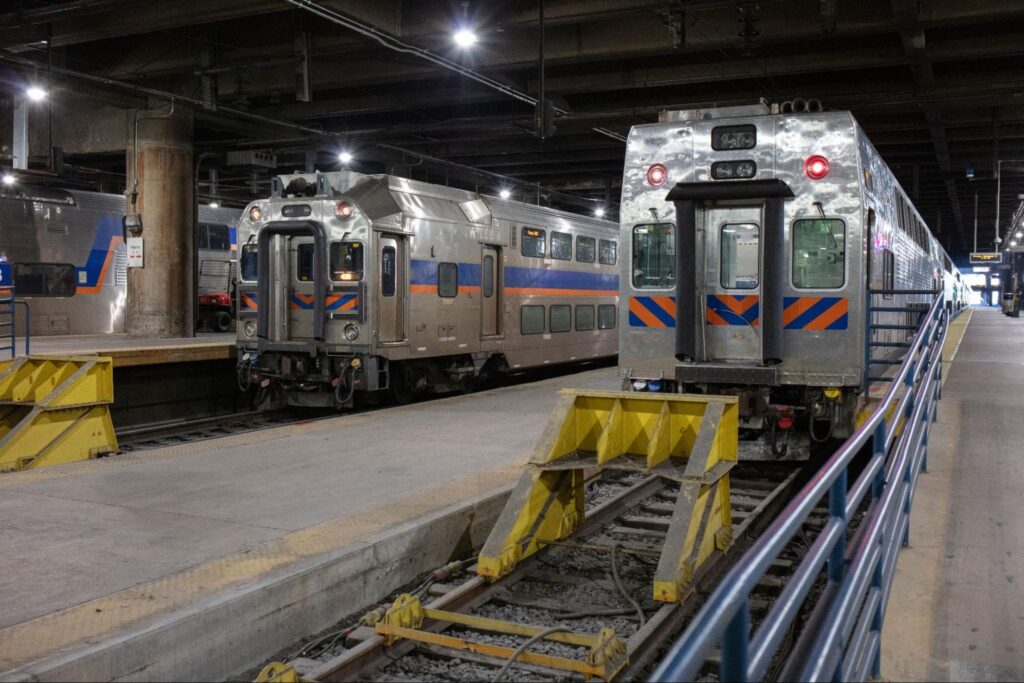
Union station of Washington DC.

Federal Funding Strategy

Transportation infrastructure projects frequently depend upon reliable access to federal resources. Lobbyit helps organizations identify grant opportunities, strengthen appropriations strategies, evaluate infrastructure funding pathways, and position project priorities for federal consideration.

Our advocacy efforts support transportation modernization initiatives, freight mobility improvements, transit development opportunities, workforce programs, infrastructure resiliency initiatives, and emerging funding opportunities aligned with organizational objectives.

Legislative Advocacy

Transportation advocacy requires more than monitoring policy developments. Lobbyit helps organizations strengthen legislative strategies, engage policymakers, shape transportation priorities, and mobilize support surrounding issues affecting transportation systems nationwide.

Advocacy efforts may involve infrastructure funding legislation, transportation safety priorities, regulatory modernization efforts, workforce initiatives, freight movement policy, transit development programs, and transportation technology frameworks.

Coalition Development

Large-scale transportation initiatives frequently require collaboration among municipalities, private industry stakeholders, associations, workforce organizations, and infrastructure advocates. Lobbyit helps organizations build strategic coalitions designed to strengthen advocacy efforts and expand influence.

Capitol Hill Engagement

Direct federal engagement remains essential to transportation advocacy success. Lobbyit supports congressional outreach efforts, stakeholder coordination initiatives, strategic Capitol Hill meetings, and relationship-building efforts designed to strengthen long-term policy engagement.

Our team also supports organizations seeking opportunities to connect technical experts, institutional leadership, workforce representatives, and transportation stakeholders directly with policymakers to advance meaningful transportation discussions.

Representative Advocacy Experience

Transportation organizations require advocates who understand both Washington policymaking dynamics and the infrastructure challenges facing communities nationwide.

Lobbyit supports clients through infrastructure funding identification strategies, legislative advocacy initiatives, coalition-building efforts, regulatory engagement strategies, federal relationship management, and long-term transportation policy planning.

Our approach combines strategic guidance, disciplined execution, and sophisticated advocacy designed to help organizations advance transportation priorities effectively within Washington’s evolving policy environment.

US Capitol Building and tour bus in motion blur - Washington D.C. United Sates of America.

Why Transportation Organizations Choose Lobbyit

Transportation stakeholders require advocacy partners capable of navigating complex policy environments while delivering strategic representation aligned with organizational priorities.

Lobbyit provides:

  • Washington DC-based federal advocacy expertise
  • Strategic transportation policy guidance
  • Personalized advocacy planning
  • Coalition-building capabilities
  • Federal funding strategy support
  • Sophisticated representation tailored to organizational objectives

Partner With a Washington DC Transportation Lobbying Firm

Transportation policy decisions made in Washington influence infrastructure investment, modernization initiatives, workforce development opportunities, regulatory frameworks, and long-term project success.

Lobbyit offers tiered pricing plans designed to help transportation organizations strengthen federal engagement, advance policy priorities, and navigate increasingly complex transportation policy environments.

Connect with our team to discuss your transportation advocacy objectives and federal policy priorities.

Lobbyit- A Washington DC Transportation Lobbying Firm.

Frequently Asked Questions

A transportation lobbyist helps organizations engage policymakers, shape legislation, identify funding opportunities, and advocate for infrastructure priorities affecting transportation systems, workforce initiatives, and long-term development goals.

Municipal governments frequently engage transportation lobbying firms to strengthen federal funding opportunities, support infrastructure modernization efforts, navigate regulatory requirements, and strengthen advocacy surrounding transportation priorities.

Yes. Transportation advocacy efforts frequently support positioning surrounding competitive infrastructure funding opportunities, discretionary grant programs, appropriations strategies, and federal transportation investments.


Transportation organizations can influence policy development through legislative engagement, coalition building, regulatory participation, congressional outreach efforts, and strategic communication with federal agencies and policymakers.

Transportation lobbying firms frequently support municipalities, county governments, transit authorities, port authorities, workforce organizations, transportation technology companies, infrastructure stakeholders, and sustainable transportation organizations seeking stronger federal engagement.

Client Portfolio

We Are Ready To Help You