


Energy Lobbyist in Washington DC

Energy policy affects every sector of the economy, from power generation to transportation and manufacturing. As the global energy landscape evolves, companies in both traditional and renewable energy sectors must manage complex regulations, secure funding, and advocate for policies that support long-term growth.

Lobbyit supports organizations navigating complex federal energy priorities involving infrastructure modernization, regulatory developments, permitting requirements, sustainability initiatives, and evolving investment opportunities. Our team works alongside businesses, trade associations, research organizations, and energy stakeholders seeking to strengthen their position within Washington while advancing policies affecting energy production, infrastructure development, grid modernization, and innovation investment.

Federal funding opportunities, tax incentives, infrastructure programs, research investments, and regulatory decisions frequently shape long-term growth across the energy sector. Strategic advocacy helps organizations strengthen positioning surrounding these priorities while ensuring their interests remain visible during legislative and agency decision-making processes.

Whether you operate within traditional energy production, renewable energy development, utility infrastructure, or emerging energy technologies, Lobbyit provides strategic federal advocacy support designed to help advance your priorities in Washington.


Energy Lobbying.

Understanding Energy Lobbying

Energy lobbying involves engaging policymakers and regulatory agencies to shape federal policies governing energy production, infrastructure development, transmission systems, technology innovation, and energy consumption. The energy sector operates within one of the nation’s most heavily regulated policy environments, with oversight from agencies including the Department of Energy (DOE), Environmental Protection Agency (EPA), and Federal Energy Regulatory Commission (FERC).

Organizations throughout the energy ecosystem frequently engage policymakers to strengthen positioning surrounding permitting frameworks, infrastructure investment opportunities, tax incentives, research funding initiatives, emissions standards, transmission development priorities, and energy reliability considerations.

Federal decisions influence infrastructure deployment timelines, modernization initiatives, grant opportunities, investment incentives, compliance obligations, and long-term planning strategies that directly affect both traditional and emerging energy sectors.

Strategic advocacy helps organizations navigate evolving regulatory developments while balancing economic growth priorities, technological advancement, sustainability initiatives, and national energy security objectives.

How Energy Lobbying Shapes Policy

Federal energy policy is shaped by a broad coalition of stakeholders operating across traditional energy production, utility infrastructure, clean energy development, manufacturing, transportation, and emerging energy technologies. Organizations frequently engage policymakers surrounding permitting modernization initiatives, infrastructure investment priorities, tax incentive frameworks, grid resilience planning, transmission development strategies, and energy reliability initiatives.

Advocacy efforts often involve strengthening opportunities surrounding infrastructure funding programs, regulatory modernization efforts, domestic energy production priorities, clean energy investment initiatives, and federal research programs supporting technological advancement.

Energy organizations also frequently pursue engagement involving policies designed to accelerate project deployment timelines, strengthen supply chain resilience, expand infrastructure capacity, and improve long-term energy reliability.

Strategic federal engagement helps organizations participate meaningfully in legislative discussions while strengthening opportunities to shape policies influencing long-term growth, investment planning, and industry competitiveness.

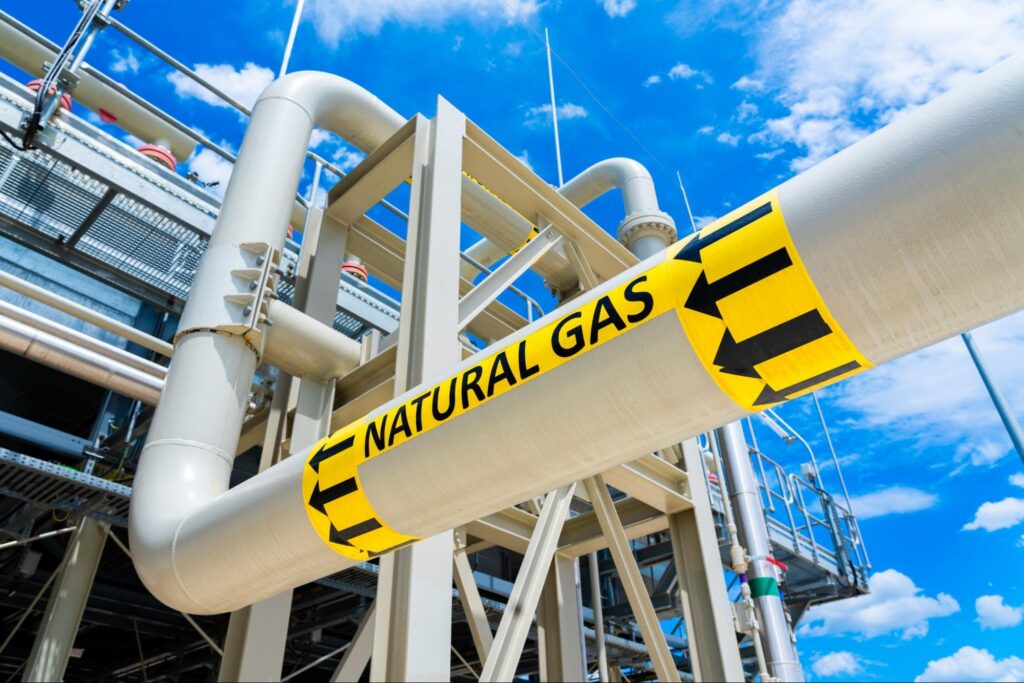
Natural gas pipeline with high pressure and direction sign at compressor station.

Organizations We Represent

Energy advocacy requires a sophisticated understanding of federal funding mechanisms, regulatory frameworks, appropriations processes, and evolving policy priorities. Lobbyit supports organizations operating throughout the energy ecosystem, helping clients strengthen their position within increasingly competitive federal environments.

Traditional Energy Producers

Oil, natural gas, and conventional energy organizations frequently engage policymakers surrounding regulatory frameworks, permitting requirements, infrastructure development priorities, tax considerations, and policies influencing domestic energy production.

Renewable Energy Developers

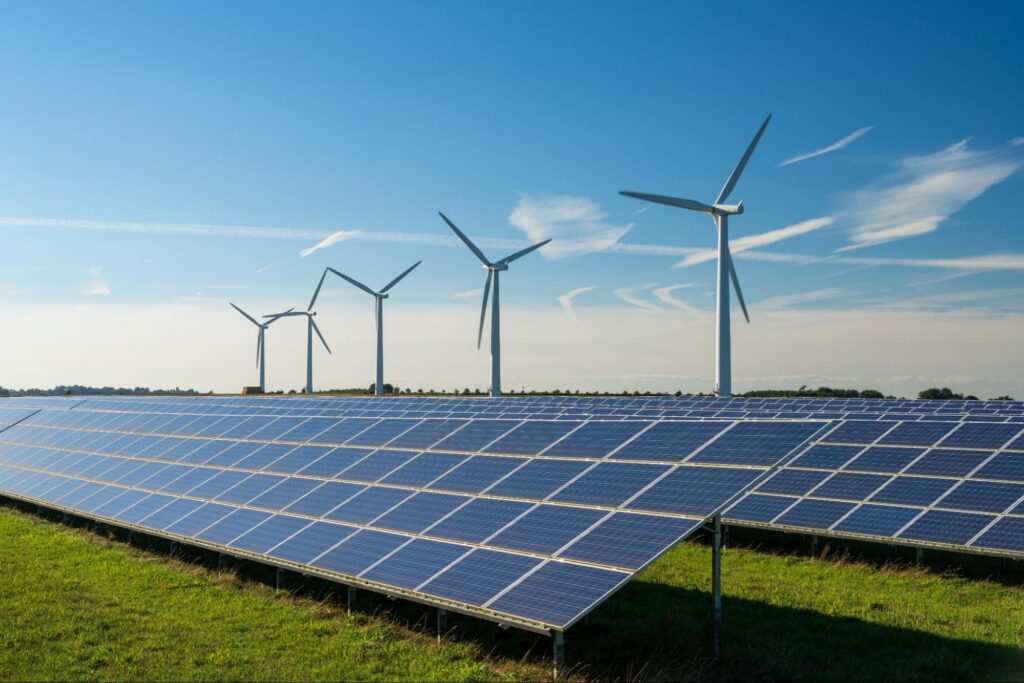
Organizations operating across solar, wind, hydrogen, geothermal, and renewable technologies frequently pursue advocacy surrounding federal incentives, infrastructure investments, sustainability initiatives, and policies designed to strengthen clean energy deployment.

Utilities and Grid Operators

Electric utilities and grid operators frequently engage policymakers regarding infrastructure modernization priorities, transmission investments, energy reliability initiatives, resilience planning, and grid expansion opportunities.

Energy Technology Innovators

Organizations developing batteries, energy storage technologies, smart grid systems, carbon capture solutions, hydrogen technologies, and emerging innovations often rely on advocacy to strengthen funding opportunities and influence evolving regulatory frameworks.

Industrial Energy Consumers

Manufacturing, transportation, agriculture, and industrial organizations frequently engage policymakers regarding energy affordability, infrastructure reliability, supply stability considerations, and long-term investment priorities.

Trade Associations and Industry Organizations

Associations representing energy stakeholders often pursue advocacy efforts designed to strengthen industry priorities, influence legislation, support regulatory modernization, and promote long-term sector growth.

Each of these stakeholders can leverage energy advocacy expertise to strengthen federal engagement and help ensure priorities remain visible within Washington’s evolving energy policy landscape.

Why Federal Energy Advocacy Matters

Federal energy policy influences nearly every aspect of long-term organizational planning and industry growth. Funding availability, infrastructure incentives, permitting requirements, regulatory obligations, tax programs, research investments, and modernization initiatives are frequently shaped directly through decisions made in Washington.
Strategic advocacy allows organizations to strengthen positioning surrounding competitive funding opportunities, engage lawmakers before policies are finalized, build relationships with agency stakeholders, and participate meaningfully in legislative discussions affecting industry priorities.

Organizations maintaining an active federal presence are often better prepared to adapt to evolving policy priorities while strengthening opportunities surrounding infrastructure investment, long-term growth initiatives, and emerging federal funding opportunities.

Energy efficiency concept.

Energy Lobbying Services

Lobbyit provides strategic advocacy solutions designed to support organizations operating across traditional energy production, renewable energy development, infrastructure investment, emerging technologies, and industrial energy sectors.

Legislative Advocacy

Energy policy developments often require direct engagement with Congress and federal policymakers. Lobbyit helps organizations strengthen legislative strategies, shape policy priorities, engage lawmakers, and support initiatives affecting long-term industry growth.

Advocacy efforts may involve infrastructure investment priorities, tax incentive programs, permitting reform initiatives, regulatory modernization efforts, energy reliability initiatives, and legislation influencing innovation investment.

Regulatory Affairs

Energy organizations frequently operate within highly regulated environments requiring engagement with agencies overseeing permitting processes, emissions standards, infrastructure requirements, and compliance frameworks.

Lobbyit supports strategic regulatory engagement efforts designed to help organizations navigate evolving federal requirements while strengthening long-term positioning.

Grant and Incentive Assistance

Federal programs supporting infrastructure development, energy modernization initiatives, technology deployment, and research investments create significant opportunities for energy organizations.

Lobbyit helps organizations identify funding opportunities, strengthen grant positioning strategies, and align priorities with evolving federal investment initiatives.

Coalition Development and Strategic Partnerships

Large-scale energy initiatives frequently require collaboration among industry organizations, research institutions, infrastructure stakeholders, and policymakers.

Lobbyit helps organizations build strategic coalitions designed to strengthen advocacy efforts, expand influence, and support long-term policy engagement.

Capitol Hill Engagement

Direct federal engagement remains central to successful advocacy efforts. Lobbyit supports congressional outreach initiatives, strategic meetings, stakeholder coordination efforts, and relationship-building strategies designed to strengthen long-term policy success.

Representative Advocacy Experience

Energy organizations require advocates who understand Washington policymaking dynamics and the increasingly complex challenges facing energy industries nationwide.

Lobbyit supports clients through legislative advocacy initiatives, regulatory engagement strategies, coalition-building efforts, funding opportunity identification, stakeholder coordination initiatives, and long-term federal affairs planning.

Our approach combines strategic guidance, disciplined execution, and sophisticated advocacy designed to help organizations advance energy priorities effectively within Washington’s evolving policy environment.

Why Energy Organizations Choose Lobbyit

Energy stakeholders require advocacy partners capable of navigating complex federal environments while delivering representation aligned with organizational priorities.

Lobbyit provides:

  • Washington DC-based federal advocacy expertise
  • Strategic energy policy guidance
  • Personalized advocacy planning
  • Coalition-building capabilities
  • Regulatory engagement support
  • Sophisticated representation tailored to organizational objectives

Partner With a Washington DC Energy Lobbying Firm

Energy policy decisions made in Washington influence infrastructure investment, regulatory frameworks, sustainability initiatives, research funding opportunities, and long-term industry growth.

Lobbyit offers tiered pricing plans designed to help energy organizations strengthen federal engagement, advance policy priorities, and navigate increasingly complex regulatory environments.

Connect with our team to discuss your energy advocacy objectives and federal policy priorities.

Electricity transmission towers with glowing wires against the starry sky.

Frequently Asked Questions

An energy lobbyist helps organizations engage policymakers, shape legislation, navigate regulatory developments, identify funding opportunities, and advocate for priorities affecting energy production, infrastructure, technology development, and long-term growth.

Energy organizations frequently engage lobbying firms to strengthen advocacy efforts surrounding regulatory frameworks, infrastructure priorities, tax incentives, permitting requirements, and evolving federal energy policy.

Yes. Renewable energy organizations often pursue advocacy efforts involving infrastructure investment opportunities, clean energy incentives, research funding initiatives, and policies supporting long-term deployment strategies.

Organizations influence energy policy by engaging lawmakers, participating in legislative discussions, building strategic coalitions, monitoring policy developments, and communicating priorities directly to federal agencies and congressional offices.

Energy lobbying firms frequently support traditional energy producers, renewable energy developers, utilities, grid operators, technology innovators, industrial energy consumers, trade associations, and infrastructure stakeholders seeking stronger federal engagement.

Client Portfolio

We Are Ready To Help You